English| EUR
Suggested for you
More currencies
Choose a language
Brussels rewards eaters with honest pricing and real value. The city's dining scene spans accessible lunch counters to white-tablecloth brasseries, and understanding the cost structure helps you allocate your euros wisely without sacrificing the Belgian experience.
Quick answer
Brussels prices food drink typically range from €12 for a casual lunch to €45 for a three-course dinner at a mid-range brasserie. A Belgian beer costs €3.50–7 depending on the venue, while coffee averages €2.50–4. Supermarket prices sit 15–20% below café rates, and tipping remains optional as service is included by law.
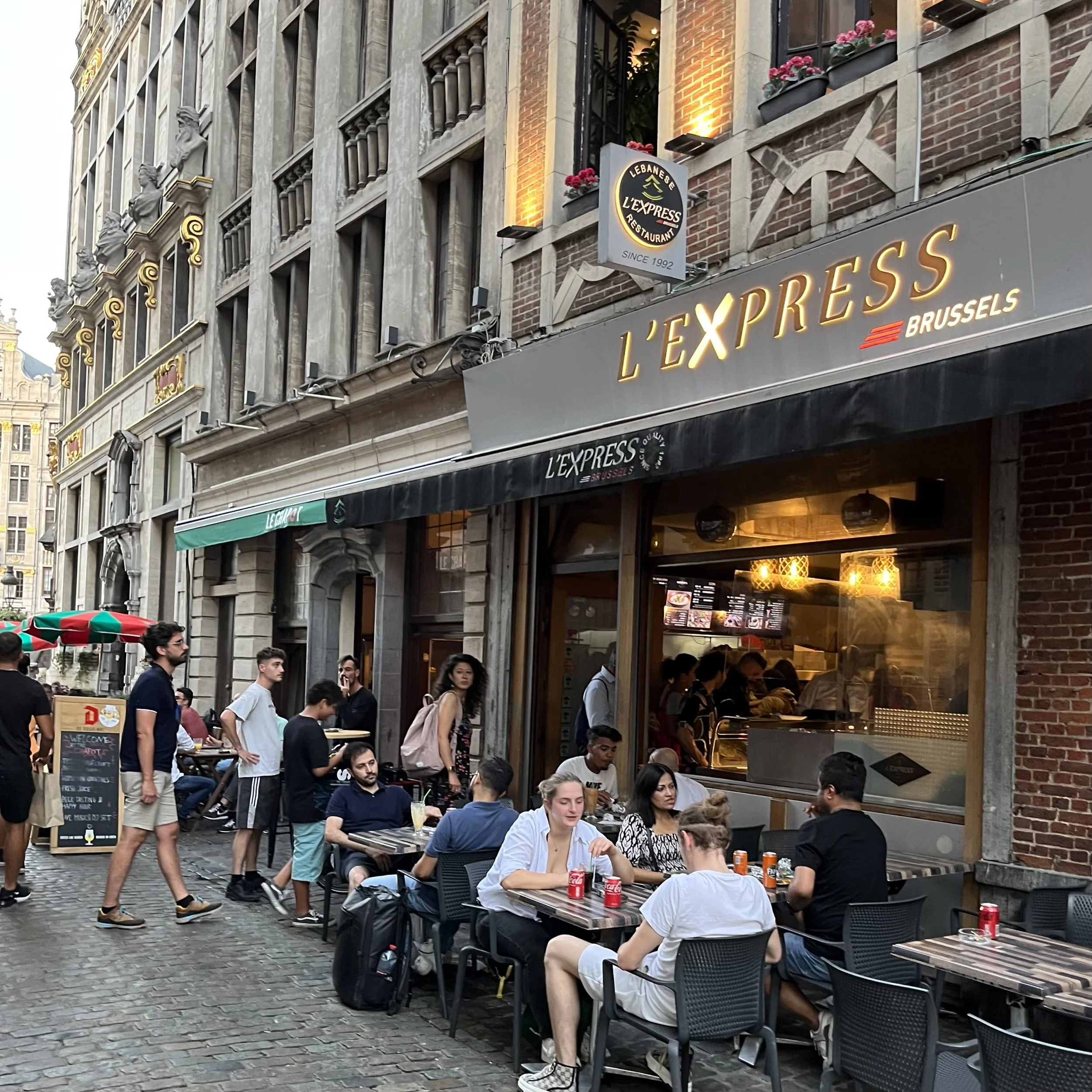
The Belgian capital operates on a dual pricing logic: neighborhood bistros and international chains serve the same city, but the invoice tells two different stories. A croque-monsieur in a Marolles café costs €9, while the same sandwich near the Grand Place commands €14, and that premium funds the postcard view rather than superior ingredients. Belgian culinary culture centers on beer and frites, and both categories reveal the city's value calculus. A 33cl Jupiler at a neighborhood bar costs €3.50; the same pour in a tourist corridor rises to €6. Cone frites from a proper friterie run €3.50–5 with sauce, but sit-down brasseries charge €7–9 for the identical product plated with ceremony. Wine by the glass starts at €5 for house selections and climbs to €12 for regional bottles, while cocktails range €10–15 across most venues. Coffee culture follows Italian pricing templates: espresso €2.50, cappuccino €3.50, and filter coffee rarely exceeding €4 even in polished settings. Restaurant pricing segments cleanly by meal type and formality. Lunch formules—fixed-price menus pairing a main with soup or dessert—anchor the midday market at €12–18, and these offerings represent genuine value rather than tourist concessions. Evening à la carte dining at Belgian brasseries costs €18–28 per main course, with fish preparations commanding the higher end. A full dinner with starter, main, dessert, and drinks totals €40–60 per person at establishments serving classic Belgian repertoire. Michelin-aspirational restaurants begin at €80 per person before wine, while street food from waffles to kebabs holds steady at €4–8. Understanding Brussels prices food drink requires recognizing that the city imposes no entrance fees for its culinary landscape—access is universal, and budget determines only the grade of linen on your table. The optimal arrival window of 12:00–20:00 captures both lunch service and the pre-dinner hour when brasseries populate with locals rather than tour groups, and prices hold firm across all seven days since Brussels dining operates without weekly variation.
“A croque-monsieur in a Marolles café costs €9, while the same sandwich near the Grand Place commands €14, and that premium funds the postcard view rather than superior ingredients.”
Dining in Brussels varies from efficient street food options to traditional sit-down service. Budgeting depends largely on your preference for casual snacks versus full-service meals.
How to spend less
Verdict: Expect to spend between 50 EUR and 90 EUR per person daily for a mix of casual and sit-down dining.
Dining and drinking establishments in Brussels do not charge entrance fees. Access to these venues is provided at no cost, with expenses strictly limited to individual menu selections.
Verdict: Adults pay 0 EUR for entry, as total costs depend solely on the specific food and beverage items ordered.
Dining and drinking establishments in Brussels maintain consistent daily accessibility, ensuring visitors can find service throughout the week.
Dining in Brussels spans from high-density tourist areas near the Grand Place to neighborhood spots where local prices prevail. Understanding the distinction between Belgian staples like moules-frites in central restaurants and street-side frites helps manage expectations regarding cost.
restaurant
Located at the city center, this area features high concentrations of classic brasseries serving traditional dishes at premium prices.
street
Found in the European Quarter, this square is known for local frites stands that offer a lower-cost alternative to sit-down venues.
café
Situated south of the city center, this neighborhood hosts traditional cafés and bistros that generally offer more moderate pricing than tourist hubs.
market
This organic market offers fresh local produce and prepared items, providing a budget-friendly option for visitors seeking picnic supplies.
Everything you need to know about brussels prices food drink
Travelers typically find that daily spending varies based on dining choices, but understanding brussels prices food drink helps in planning a comfortable budget. Most casual meals and snacks are affordable, though sit-down establishments will reflect higher costs.
There is 0 EUR entrance fee for city dining or drinking establishments. You can walk into most venues freely without paying any upfront costs.
The best arrival window is 12:00–20:00 to enjoy the city. This provides an optimal balance for lunch service and the vibrant pre-dinner atmosphere.
Dining costs in the city range from affordable street food like fries and waffles to mid-range brasseries. Checking brussels prices food drink beforehand allows you to navigate the diverse gastronomic landscape effectively.
While many cafes accept walk-ins, popular spots can get busy during peak hours. Exploring guided food tours can be a great way to sample local flavors without worrying about fluctuating brussels prices food drink.
Yes, many establishments welcome families and offer simple, traditional dishes that are kind to your wallet. Seeking out local markets is another way to enjoy authentic products without overspending.