English| EUR
Suggested for you
More currencies
Choose a language
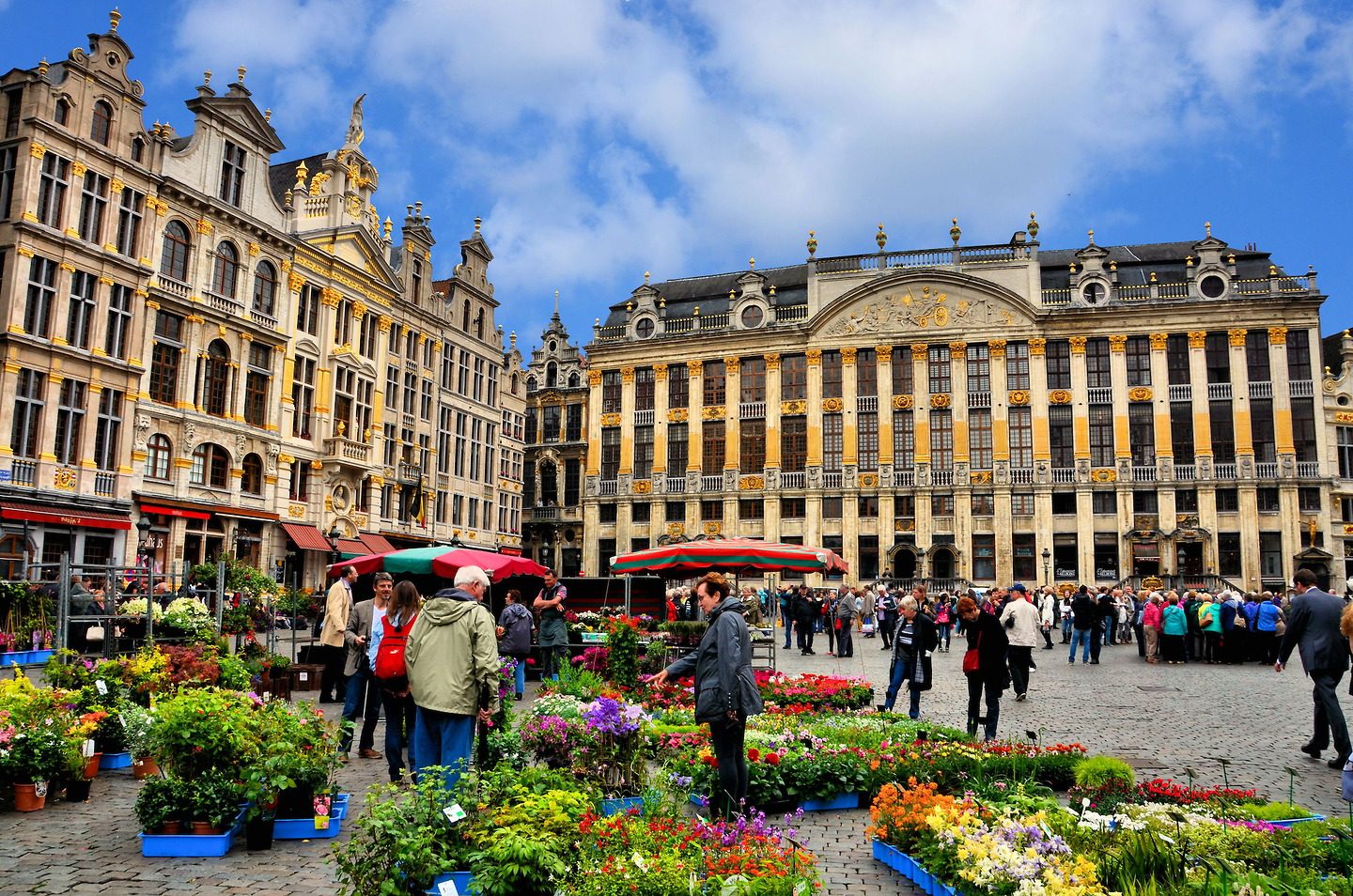
Brussels food tours combine three Belgian staples—waffles, chocolate, and beer—with the city's medieval architecture and market culture. Most guided walks start at Grand-Place and loop through the Îlot Sacré, Galeries Royales Saint-Hubert, and Sablon, stopping at artisan shops and family-run cafés. This guide covers timing, route options, and what each tasting stop delivers.
Quick answer
The best Brussels food tour runs weekday mornings from 09:00 to 13:00, starting at Grand-Place and covering six to eight tasting stops across a two-to-three-hour walk. Morning departures avoid midday tourist density at chocolate shops and waffle stands, and most guides secure reserved tables at breweries for the beer segment. Private tours operate daily with flexible start times; group tours cluster around 10:00 departures to coordinate bakery and praline house schedules.
Brussels produces more chocolate per capita than any European capital, yet fewer than twelve master chocolatiers still temper couverture by hand in the city center. A curated Brussels food walk connects you to these artisans, the third-generation waffle bakeries, and the lambic brewers who ferment beer in open wooden casks. The experience is less about quantity than provenance—each stop explains technique, terroir, and the guild traditions that still govern Belgian food culture. The classic route begins at Grand-Place, where guides contextualize the guild houses before leading you into the Îlot Sacré's cobbled lanes. First stop: a family waffle stand that cooks Liège waffles in cast-iron molds, caramelizing pearl sugar into a crisp shell. Second: Galeries Royales Saint-Hubert, where praline houses display ganache flavors sorted by cacao origin. Third: a cheese shop stocking aged Chimay and Orval cheeses made by Trappist monks. Fourth: Sablon, for a tasting at Pierre Marcolini or Wittamer, paired with historical notes on Brussels' role in the 17th-century chocolate trade. The walk concludes at a traditional estaminet or a gueuze cellar, where the guide explains spontaneous fermentation and pours samples of lambic, kriek, and faro. Tour operators structure walks around artisan availability, not traffic flow. Morning slots ensure bakeries still have warm product, chocolatiers are restocking display cases, and brewery cellars are quiet enough for explanation. Weekday departures also mean smaller groups—six to twelve participants instead of the weekend twenty. Private tours allow customization: you can skip beer for a second chocolate atelier, add a stop at the Midi Market for North African pastries, or extend into Marolles for a jenever distillery visit. Group tours follow fixed itineraries but cost less and introduce you to other food-focused travelers. Booking opens three months ahead for peak season—April through October—and sells out fastest for Saturday morning slots. Confirmation emails include the meeting point, guide's mobile number, dietary accommodation notes, and a request to wear comfortable shoes; routes cover two to three kilometers on uneven stone pavement. Most operators include all tastings in the upfront price, though some reserve the beer flights as an optional add-on. Read the inclusion list before booking to avoid surprise charges at the final stop.
“Morning slots ensure bakeries still have warm product, chocolatiers are restocking display cases, and brewery cellars are quiet enough for explanation.”
The best arrival window is 09:00–13:00 to avoid midday crowds and secure better availability for guided walking tours. Visiting during shoulder seasons balances mild weather with manageable visitor numbers.
—
Morning starts provide the best opportunity to engage with local vendors before peak hours.
Mild, 10°C to 18°C
Spring offers comfortable walking temperatures and city greenery during food exploration.
Cool, 11°C to 17°C
Early autumn provides stable weather conditions ideal for outdoor tasting experiences.
Verdict: The best time for a food tour is Tuesday to Thursday between 09:00 and 13:00 during the months of April, May, September, or October.
Guided food tour operators in Brussels maintain consistent availability throughout the week to accommodate visitors. These hours reflect standard service operations for inquiries and coordination.
Food tours in Brussels are operated as private commercial services rather than public attractions. Consequently, costs hinge entirely on the specific provider, itinerary inclusions, and group size rather than a standardized public entry fee.
Verdict: While public entry to the Grand-Place is 0 EUR, food tour costs fluctuate based on the specific private operator and the range of culinary experiences included.
The meeting point for most food tours is located at Grand-Place, 1000 Brussels, which sits in the heart of the city's historic center. The most efficient way to reach this pedestrian-heavy area is via public transport followed by a short walk.
Line 1 or 5 to Gare Centrale station
To Bruxelles-Central (Gare Centrale)
Lines 48 or 95 to Grand-Place stop
Drop-off at Rue du Marché aux Herbes
Arriving at Gare Centrale provides the easiest pedestrian access to the square. Aim to reach the area within the recommended 09:00–13:00 window to navigate the cobblestone streets before peak midday pedestrian traffic.
Prepare for your culinary excursion by focusing on practical logistics and personal comfort to ensure a seamless experience.
Wear broken-in, flat walking shoes to navigate the historic cobblestone streets of Brussels comfortably. You will spend several hours on your feet moving between different tasting locations.
Submit any food allergies or dietary restrictions to your tour provider at least 48 hours before the excursion. This allows guides to arrange suitable alternatives with local vendors in advance.
Brussels food tours often include generous portions of chocolate, waffles, and savory classics. Sample smaller amounts at early stops to ensure you have an appetite for the final destinations.
Belgian weather changes frequently throughout the day, even during the optimal arrival window. A waterproof layer or light jacket protects you during transitions between indoor and outdoor tasting spots.
Carry a reusable water bottle to stay hydrated while moving between venues. Many guides focus on food pairings, so having access to water helps maintain your palate between tastings.
Everything you need to know about best brussels food tour
Finding the best brussels food tour involves checking reviews for local authenticity and guide expertise. Look for itineraries that focus on traditional specialties like waffles, chocolates, and savory delicacies. Comparing routes helps you select a Brussels gourmet excursion that matches your specific culinary interests. Always ensure the company provides a comprehensive look at the local food culture through diverse tastings. Booking your best brussels food tour ahead of time is highly recommended to secure your spot, as small group sizes ensure a personalized experience. Reservations also allow operators to manage dietary requirements effectively. Popular tours often sell out quickly, especially on weekends and holidays. Most reputable walking tours offer kid-friendly options, making a Brussels culinary adventure a great choice for families. Check the specific tour details to ensure the pace and duration are appropriate for younger participants. A family-friendly approach usually balances walking with frequent seated tastings. Food tours are private services with varying prices, so there is no fixed public entry fee for these activities. When evaluating the best brussels food tour, consider that the cost generally covers all food samples, professional guiding, and sometimes beverage pairings. Costs vary based on the duration and the exclusivity of the culinary venues visited. Most operators accommodate common dietary restrictions such as vegetarian or gluten-free needs if notified in advance. When booking your Brussels food walking tour, include any dietary requests during the reservation process. Guides are typically well-prepared to navigate local menus and suggest safe, delicious alternatives. Most tours begin in central areas such as the Grand-Place. This iconic Brussels landmark serves as a convenient meeting point for many city explorations. Check your specific booking confirmation to verify the exact departure point for your scheduled walk.